China
Why I went, and what I did while I was there.
This week, I became the first British Prime Minister in eight years to visit China.
If this is the first you’re hearing about that, you won’t be alone. I meet people all the time who tell me they can’t face the news at the moment. With turbulence abroad and the cost-of-living biting here at home, it can all feel overwhelming.
And I get that.
In recent years we’ve seen just how directly global events land in our daily lives – often right onto the kitchen table. Higher food prices. Rocketing energy bills. That lingering sense that too much is out of our control. In today’s world, there’s no guarantee that what happens abroad will stay there.
That’s exactly why the way Britain engages with the world really matters. And it’s why this visit to China matters.
If we are serious about easing the cost of living and a building a stronger, more secure economy, we can’t afford to just look inward. We have to engage abroad – establishing pragmatic, consistent relationships that further British interests while standing firm in our values.
Because there’s no getting around it, China is one of the world’s biggest economic powers. What happens there affects what happens here – in our supermarkets, our high streets and our household bills.
And with that, comes huge opportunity.
Done right, a renewed relationship with China offers British businesses new markets & investment, British workers better jobs & higher wages, and British families lower prices & greater choice. Refusing to engage might feel like the easy option. It might even make for some nice headlines. But it would be a staggering dereliction of duty at a time when the cost of living is being felt so heavily.
We are clear-eyed about our differences with China, and we will not turn a blind eye to the challenges they pose. We will stand up for our values, defend our security, and speak honestly where we disagree.
Because, in the end, this is the test I apply to every relationship and every decision: does it put Britain in a stronger position to improve life for our citizens?
If the answer is yes, then we have a duty to proceed.
I chose to proceed.
In the room
I know there are people who think that there’s no need to go anywhere in 2026, that the whole world can be sorted out on a zoom call.
Or worse, that you can achieve just as much by staying home and obstinately refusing to engage with anybody who you might not totally agree with.
Maybe I’m old fashioned, but I think you get the best results when you get into a room with someone, look them in the eye and shake their hand. It’s how we’ve secured trade deals with some of the world’s biggest economies.
So that’s what I did.
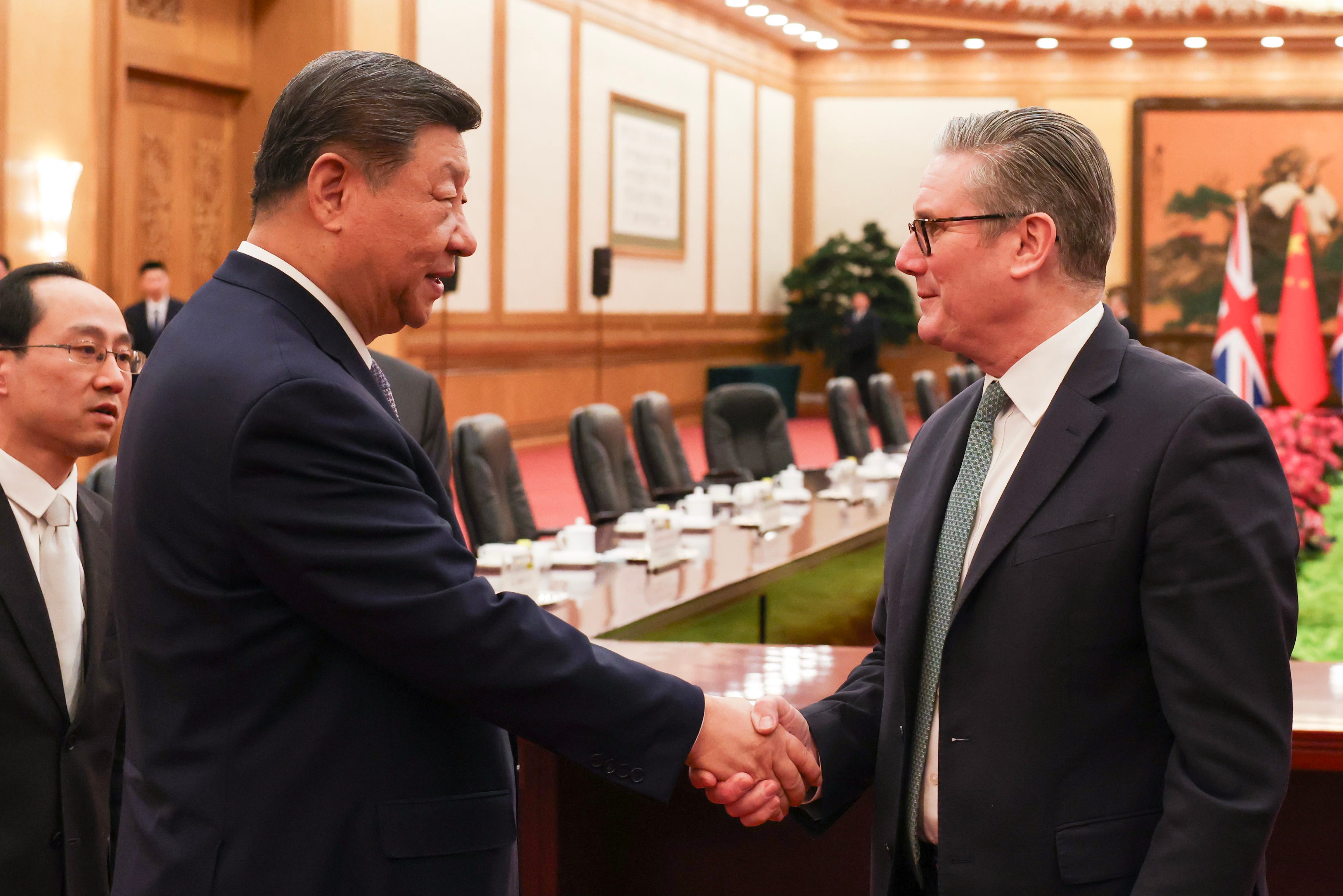
I sat down with President Xi, and we spoke for a long time.
I sat down with Premier Li, and we spoke for a long time.
I sat down with Chairman Zhao, and we spoke for a long time.
And it got results. Real results, that will make a difference for people back at home.
Long meetings might not be everyone’s idea of fun, but here they got stuff done.
We halved tariffs on British whisky, got visa free travel for Brits visiting China, had breakthroughs on services trade, big wins for British businesses that will create jobs back at home, and secured joint action to tackle illegal immigration – because the majority of the engines for small boats are built here in China.
And crucially, restrictions no longer apply for six British parliamentarians.
Real results, that will make a real difference to our citizens – because we got in the room.
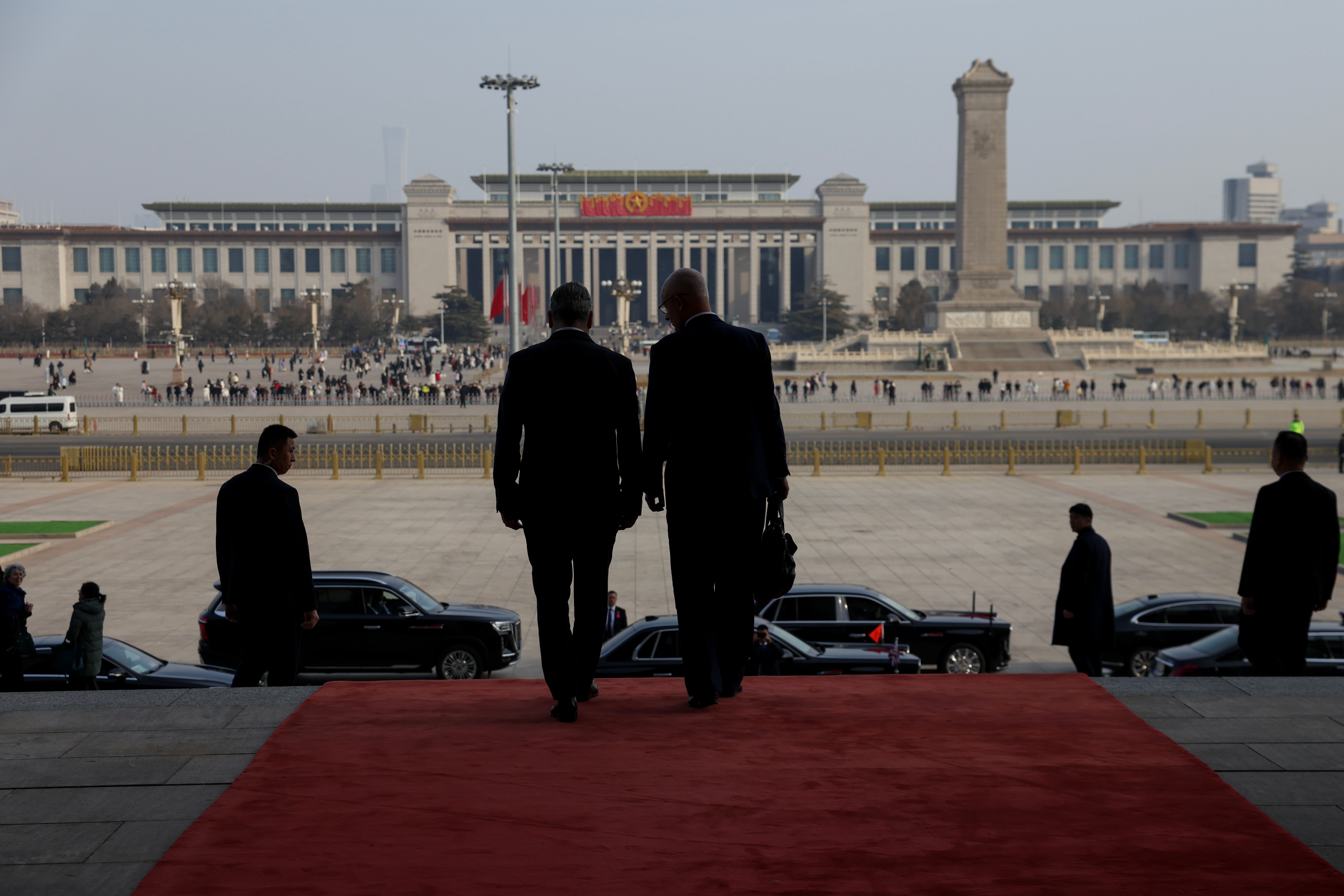
A shared sense of history
Trade is about more than just numbers on spreadsheets. Culture, both at home and in China, are an important part of what we can share with one another.
Britain’s culture has long been one of our strongest exports. From Shakespeare to The Beatles to Oasis our culture touches the lives of billions of people globally every day.
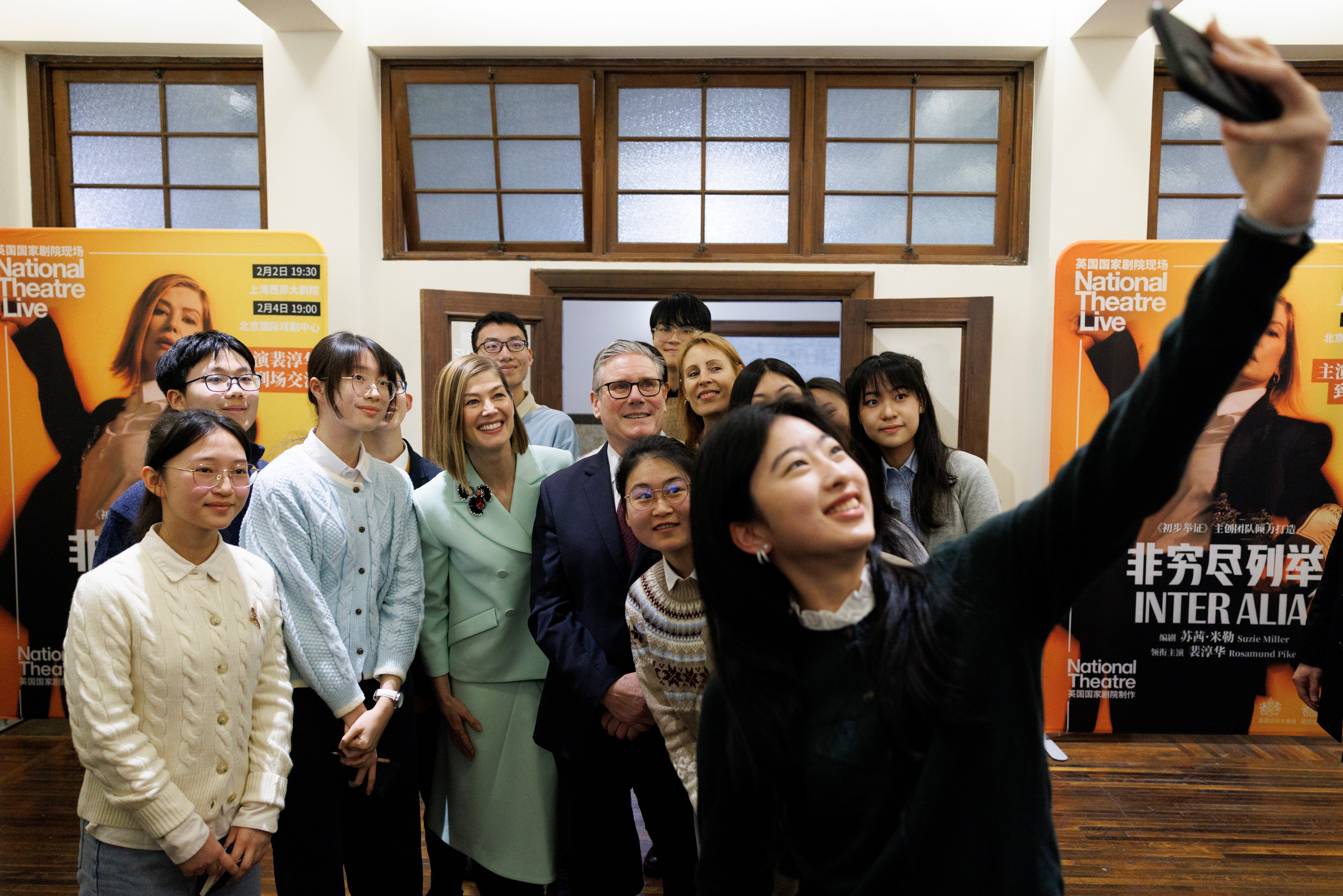
As well as businesses, I travelled to China with a cultural delegation; leaders in all of the things that make Britain what we are. People like Kate Varah of the National Theatre, Daniel Evans of the Royal Shakespeare, and Sarah Bardwell of the Royal Philharmonic Orchestra – leading lights of British culture.
As part of this cultural exchange, I was taken to see sights like Beijing’s Forbidden City, and Shanghai’s Yuyuan Gardens. We have spent a lot of this trip trying to understand the areas in which we can find agreement and common ground with our Chinese counterparts, and the ancient history of our people’s is another excellent example of this.
When the Forbidden City was built, England was fighting the 100 years war. When the Yuyaan Gardens were built, Queen Elizabeth had just taken the throne.
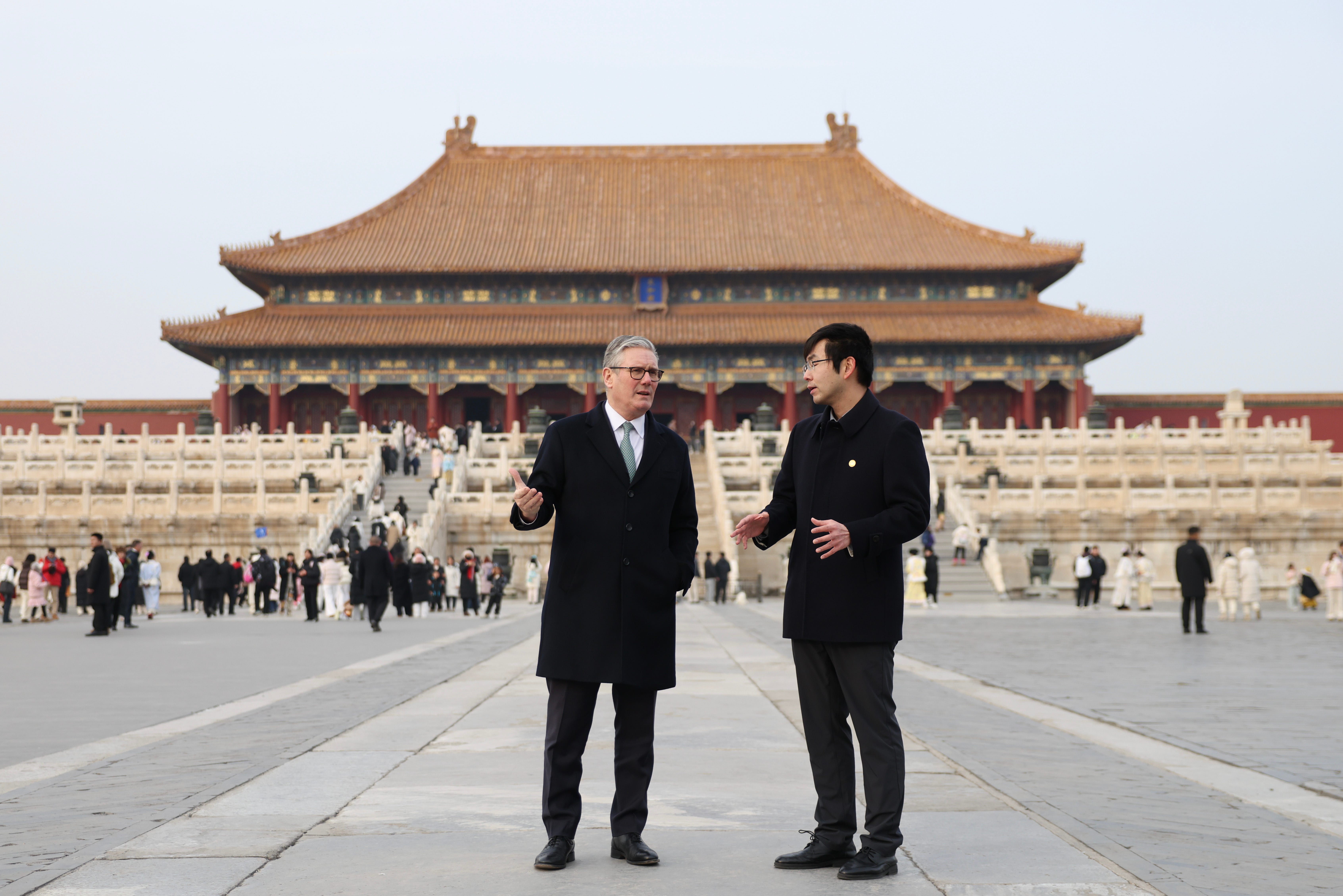
Culture, business, and diplomacy are not three separate disciplines that operate independently – they are all part of a wider picture, of two nations with two histories working together to achieve things.
Britain’s shop window
Growing the UK economy is foundational to my goverment, and a key goal for me on this trip was to sell British business to the whole world. So on the freezing cold Thursday evening when we landed in Beijing I assembled the delegation of 60 business leaders who had joined me to fly the flag for Britain.
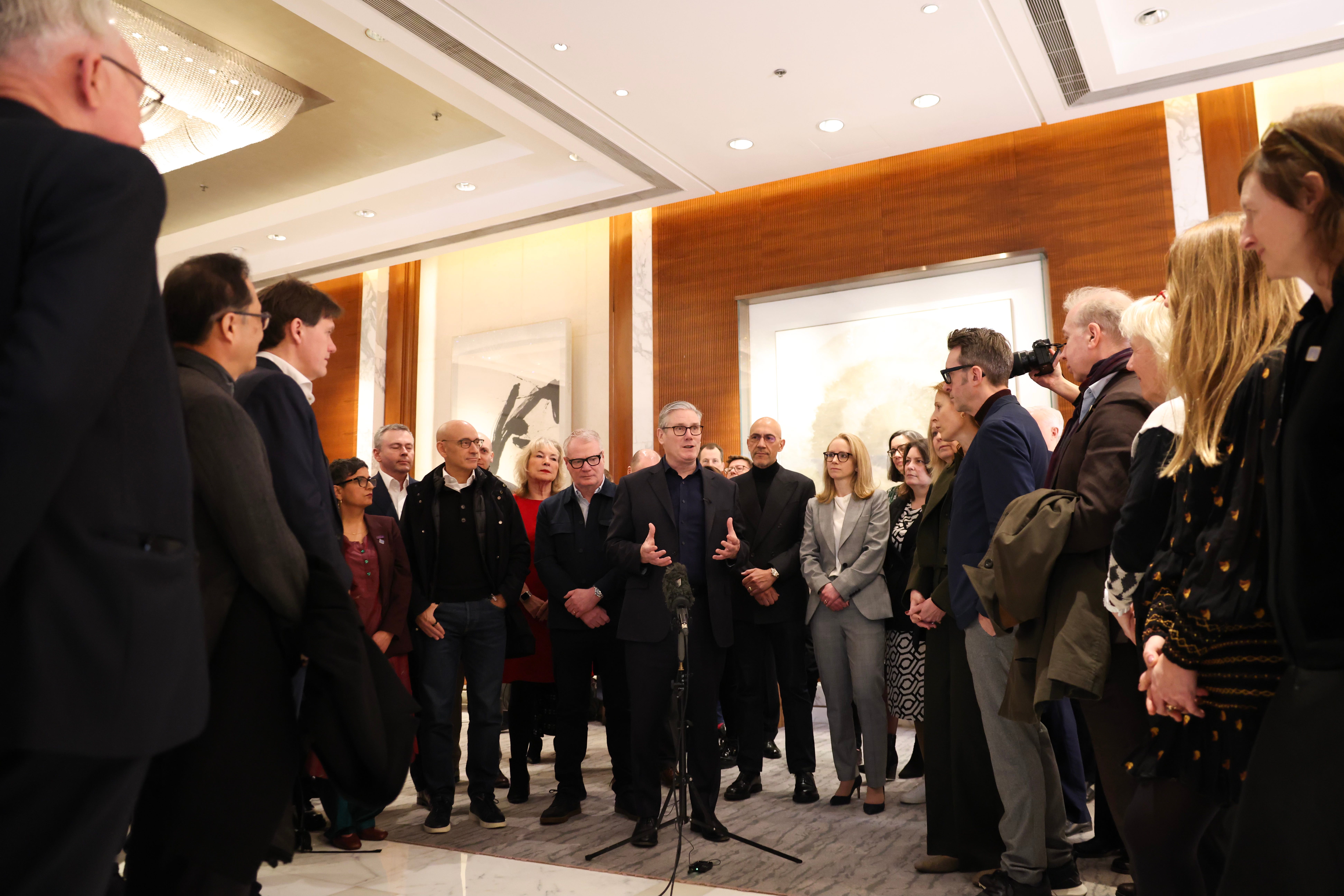
I gathered them in the hotel lobby – leaders of companies like McLaren, British Airways, Brompton and Airbus – and set them off on the task of striking out and making deals that would make a difference to people back home.
And I told them that I would be doing the same.
That in every single conversation I would be thinking about them, and the workers back home whose jobs and incomes rely on the growth and access that we would be negotiating on this trip.
Three days later, and the results speak for themselves.
We’ve secured £2.2bn in exports, £2.3bn in market access wins, and hundreds of millions of pounds of investment.
Real, meaningful wins that grow Britain’s economy, create jobs, and puts money back into the pockets of British people at a time when it is desperately needed.
Was it worth it?
Yes.
In just three days we’ve made an incredible amount of progress. I won’t relist all of our victories, but I will say that I don’t think any of them would have happened without us taking the time and making the effort to come here and win them.
Zoom call diplomacy is no substitute for the real thing. If you want to get big things done, you have to show up and make it happen.
At the beginning of this substack I told you that I judge every decision by asking myself if it puts Britain in a better position to improve life for our citizens.
I leave China knowing that the work we have done has achieved exactly that.
Wheels up. Thanks for coming along.
Keir.